Here’s a number that should keep every IT leader up at night. 70% of digital transformation projects fail to meet their objectives. Not “underperform.” Fail.
The budgets get approved. The vendors get selected. The kickoff meetings happen with optimism and coffee. Then somewhere between month three and month eighteen, everything quietly falls apart.
The reasons are rarely technical. The code works. The platforms function. The problem is almost always the same: lack of visibility, weak governance, and resources stretched too thin across too many priorities.
Your PMO is supposed to prevent this. But most PMOs are so busy tracking tasks that they miss the warning signs until it’s too late.
Here are seven signs your PMO is heading toward failure. And what healthy looks like instead.
Warning Sign #1: Status Reports Take Days to Compile
You need to update leadership on project health. So you send emails to five project managers. They dig through spreadsheets. They chase down updates from team leads. Two days later, you have a PowerPoint that’s already outdated.
This is more common than anyone wants to admit.
When status reporting requires manual data gathering across disconnected tools, you’re not managing projects. You’re doing archaeology. By the time leadership sees the information, decisions are based on where you were last week. Not where you are today.
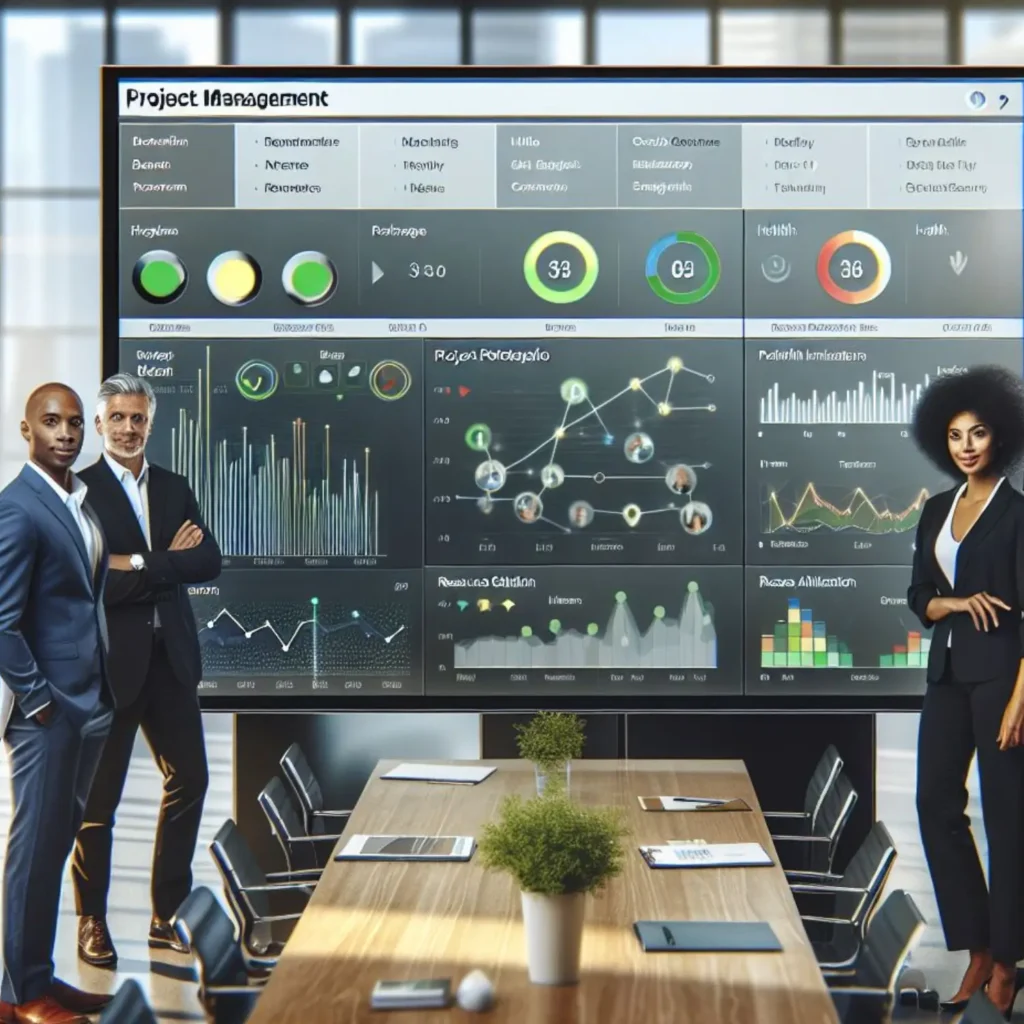
What healthy looks like: Real-time dashboards that pull directly from your project management system. Status is visible instantly. No one spends hours compiling reports. Project managers spend time managing projects instead of formatting slides.
Warning Sign #2: Resource Conflicts Get Discovered Too Late
Your best database architect is assigned to Project A. But she’s also listed on Project B and Project C. No one noticed until all three projects hit critical milestones in the same sprint.
Now you’re negotiating. Apologizing. Slipping timelines.
This happens when resource allocation lives in separate project plans that don’t talk to each other. Each project manager thinks they have their people locked in. Nobody has visibility across the portfolio.
What healthy looks like: Centralized resource management where every assignment is visible across all projects. Conflicts are flagged before they happen. Capacity planning becomes proactive instead of reactive.
Warning Sign #3: No Single Source of Truth
Ask three people where to find the current project plan and you get three different answers. One points to SharePoint. Another has a local Excel file. The third says the real plan is in Jira but “the dates might be off.”
When your project data lives in multiple systems with no integration, you don’t have a PMO. You have a collection of individual projects pretending to be a portfolio.
Scope changes get lost. Dependencies get missed. Stakeholders lose trust because every meeting starts with “wait, which version are we looking at?”
What healthy looks like: Integrated project portfolio management where plans, resources, risks, and status all live in one system. Updates happen once and flow everywhere. Everyone works from the same information.
Warning Sign #4: Scope Changes Happen Without Impact Analysis
“Can we just add this one feature?”
Famous last words.
Scope creep doesn’t announce itself. It arrives disguised as reasonable requests from reasonable people. Each change seems small. But small changes compound. And without a formal change control process, no one calculates the cumulative impact on timeline, budget, and resources.
Six months later, the project is 40% over budget and no one can explain exactly how it happened.
What healthy looks like: A change control process that requires every scope change to go through impact analysis before approval. What does this do to the schedule? What does this cost? What gets deprioritized to make room? Leaders make decisions with full information. Not wishful thinking.
Warning Sign #5: Projects Start Without Clear Success Criteria
What does success look like for this project?
“We want to improve efficiency.”
That’s not success criteria. That’s a hope.
When projects launch without specific, measurable outcomes tied to business value, you’ve already set yourself up for a disputed ending. The project team will say they delivered. Business stakeholders will say they didn’t get what they needed. Everyone will be right from their own perspective. And no one will be happy.
What healthy looks like: Every project has defined KPIs established before work begins. Not just deliverables. Outcomes. How will we measure success? What numbers need to move? What does the business gain? This gets documented and agreed upon at kickoff. Not debated at closeout.
Warning Sign #6: Lessons Learned Never Get Applied
After the post-mortem, someone creates a document. It goes into a folder. The folder goes into SharePoint. SharePoint goes into the void.
Next project? Same mistakes.
This is organizational amnesia. You’re paying the same tuition over and over without ever graduating. The vendor management issues you identified on Project A show up again on Project B. The integration challenges that derailed Q2 reappear in Q4.
What healthy looks like: Knowledge management built into PMO operations. Lessons learned get categorized, searchable, and actively referenced during project planning. New project managers review what went wrong on similar initiatives. Checklists get updated. Templates evolve. The organization actually learns.
Warning Sign #7: Leadership Only Sees Problems After They’re Crises
The project was green. Then yellow. Then suddenly red with a request for emergency funding.
What happened?
Usually: the project was never really green. The warning signs were there. But the reporting structure filtered them out. Project managers didn’t want to escalate. Mid-level leaders didn’t want to deliver bad news. By the time executives saw the problem, it was already a crisis requiring intervention.
This is the most expensive failure mode. Not because the project fails. Because it fails late. After maximum investment. After dependencies were built. After organizational credibility was spent.
What healthy looks like: Exception-based reporting with predictive indicators. Leadership doesn’t need to see every detail. They need to see risks trending upward. They need early warning when projects drift from baseline. They need escalation paths that reward honesty over optimism.
The Pattern Behind All Seven Signs
Notice what these warning signs have in common?
None of them are technology problems.
You can have the best project management software in the market and still hit every one of these failure modes. Because the tools don’t create visibility. Governance creates visibility. The tools don’t prevent scope creep. Process prevents scope creep. The tools don’t apply lessons learned. Culture does.
A mature PMO isn’t about the platform you use. It’s about the operating model underneath. The standards. The workflows. The accountability structures. The reporting discipline.
Most organizations try to solve PMO problems by buying new software. Then they wonder why the new software didn’t fix anything.
What To Do Next
If you recognized your organization in three or more of these warning signs, your PMO needs attention before your next major initiative.
The good news: these are solvable problems. Not overnight. But with the right framework and commitment, organizations move from reactive firefighting to predictive portfolio management within 6-12 months.
We’ve helped healthcare systems, financial services firms, and government agencies make exactly this transformation. The results are measurable: 75% reduction in project failures. 100% adoption rates. Frameworks that become permanent operating standards.
Want to know where you stand?
Download our PMO Maturity Self-Assessment Checklist. It takes 10 minutes and gives you a clear picture of your current state across governance, resource management, portfolio visibility, risk management, and stakeholder communication.
Or if you already know your PMO needs work and want to talk through your specific situation, book a complimentary 30-minute discovery call.